
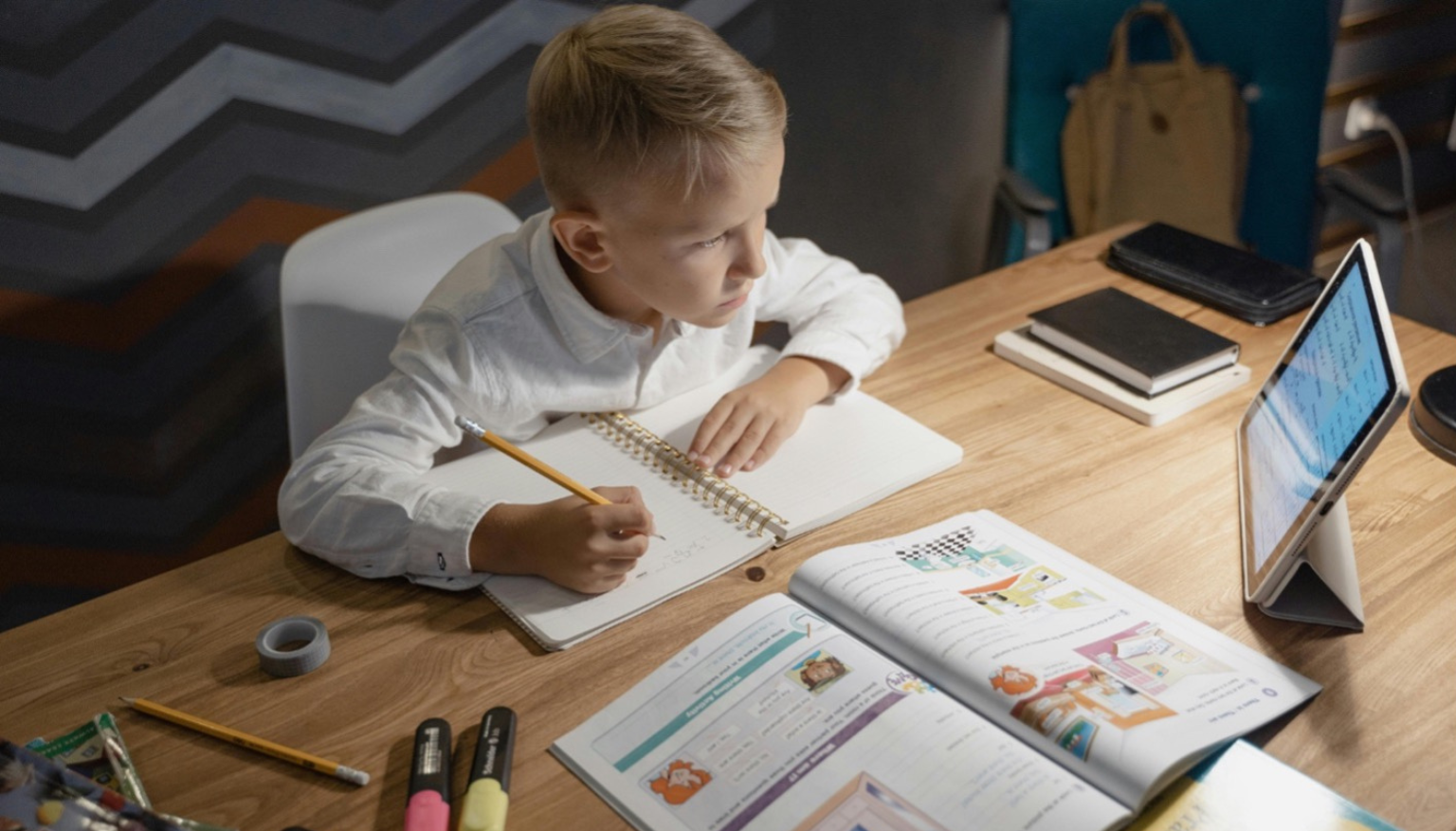
Communications technology has become an indispensable part of daily life. The use of electronic screens and social media by kids and teenagers significantly impacts their physical and mental development, and the health risks of improper use warrant close attention. To help citizens easily access relevant health information, raise public concern, and enhance awareness of healthy internet and screen use, the government advisory group has proposed the following 10 health “tips”:
1. Limit Screen Time
Under 2 years old: Avoid exposure to any electronic screen products as much as possible, except for video calls accompanied by parents.
2 to 5 years old: Limit daily screen time to within one hour. These activities should be interactive and educational, conducted under the guidance of parents or teachers.
6 to 12 years old: Limit daily use of electronic screen products for entertainment purposes to less than two hours.
12 to 18 years old: Adolescents should learn to manage their time effectively. If prolonged screen use is unavoidable due to learning needs, they should take regular breaks.
2. Follow the 20-20-20 rule
For every 20 minutes of screen time, look away and focus on objects outside the window at least 20 feet away for at least 20 seconds to relax the eye muscles.
3. 30-40-50 principle
When viewing different types of electronic screens, maintain a specific distance to reduce visual stress:
Smartphones: At least 30 cm away.
Tablets: At least 40 cm away.
Computers: At least 50 cm away.
4. Protect Hearing, Prevent Accident, and pay Attention to Hygiene
Follow the “60-60” rule: adjust headphone volume to no more than 60% of the maximum volume on the mobile device, and do not use headphones for more than 60 minutes in total per day. Avoid prolonged headphone use to reduce damage to the auditory system.
5. Ensure Adequate Sleep time and Appropriate Environment
Sufficient sleep is vital for health. The total daily sleep required for kids of different ages is:
3 to 5 years old: 11 to 13 hours
5 to 12 years old: 9 to 11 hours
12 to 18 years old: 8.5 to 9.5 hours Turn off desktop computers and avoid placing other electronic screen products near the sleeping environment. Establish a regular bedtime routine. Arrange relaxing activities, such as reading books, about an hour before bed. Avoid tense or stimulating activities so the body can prepare for sleep.
6. Be aware of Cybersecurity
When using the internet, protect personal privacy and avoid posting excessive personal information online.
Set up passwords properly. Do not disclose passwords to others except to parents.
Never meet alone with someone you met online.
If you receive messages or photos that make you uncomfortable, do not reply, and seek help from parents or teachers.
7. Observe Good Behavior Online and on Social Media
Stay polite in the online world and do not participate in bullying. Do not post malicious, harassing, abusive, or insulting messages, and do not spread rumors, as this can damage others’ reputations or affect their interpersonal relationships.
8. Avoid Exposure to Inappropriate Information
Parents should regularly monitor the information, websites, and activities their kids browse or participate in.
Make good use of cybersecurity tools (such as filtering software) to restrict access to inappropriate content and websites.
Choose video games and applications that are appropriate for your kid’s age.
9. Actively Participate in Physical and Outdoor Activities
Avoid using the internet and other screen products (such as smartphones, tablets, or TV) continuously for more than one hour. More physical activities are recommended:
kids aged 2 to 6: Encourage diversified activities like outdoor games and stretching. In addition to vigorous activities (e.g., brisk walking, riding a tricycle), low-intensity physical activities are also encouraged at home.
Primary and secondary school students (6 to 18 years old): Engage in at least one hour of moderate-to-vigorous intensity physical activity in total every day.
Moderate-intensity: e.g., swimming, cycling, or playing volleyball.
Vigorous-intensity: e.g., playing basketball, playing football, or skipping rope.
10. Engage in Real-Life Interactions
Encourage parents to replace screen time with “quality parent-child time” such as chatting, reading together, and playing, to promote kid’s language, physical, and mental development.
Encourage kids to join group activities to help them develop social and communication skills, as well as learn emotion management.
For the holistic development of kids and adolescents, we should appreciate and recognize their achievements outside of academics